
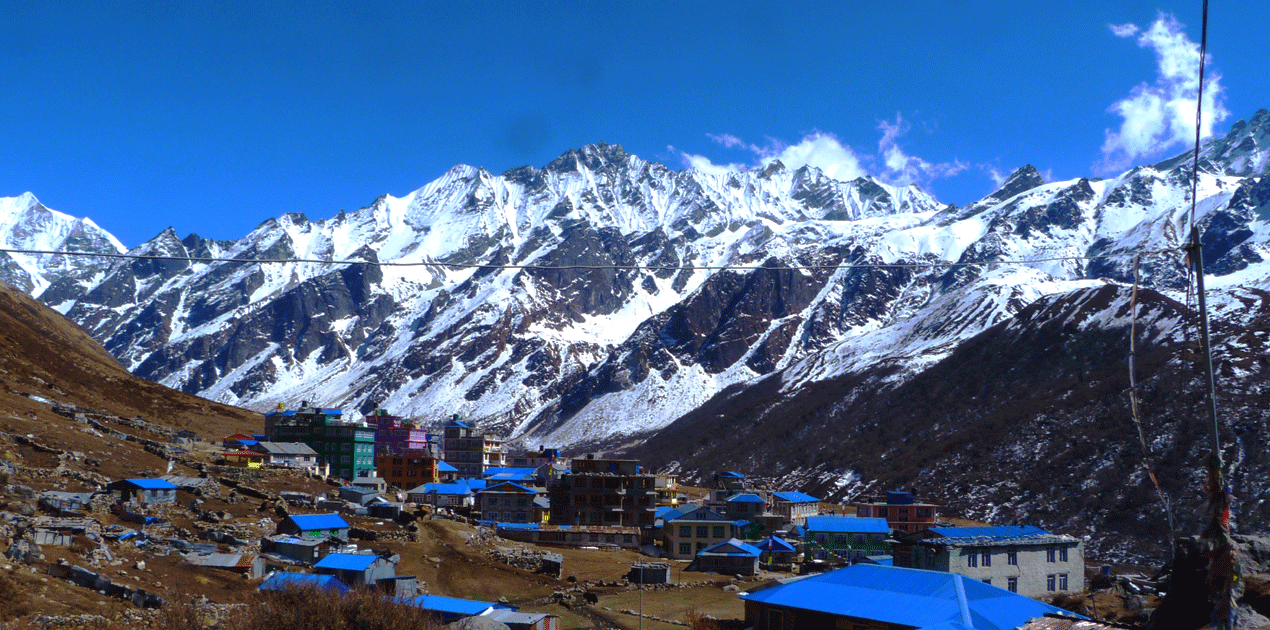
The Langtang Valley Trek is not just a trek accompanied by great Himalayan views but also a way to gain insight into the lifestyle and culture of the locals in this region. Of these villages it works its way through, which have been able to keep their culture and traditions (and mountain way of life) for generations now but use tourism as one of their income sources.
Trekking in a responsible way is how you can enjoy the breathtaking nature of the Langtang Region and, as much as possible, do your part for a positive experience for local people living there. The Langtang Valley Trek Difficulty is perhaps one of the best combinations between a long-distance hike and humans & communities who will benefit from visitors with their eyes on cultural heritage and sustainable tourism.
Local Teahouses and Community Lodges
Perhaps the single best thing you can do to help is to trek with locally owned teahouses on the Langtang Valley Trek. Here, the whole family is dependent on tourism; it brings livelihood only in lodging and food services and hospitality. Staying at locally owned establishments means some of your travel dollar is going into the pockets of local families, as opposed to huge multinational companies.
In addition, at these teahouses you will share meals together while having a warm local family interaction and learning about the mountain culture. By staying at local lodgings, you contribute to the local economy of Himalayan villages and ensure that communities along trek routes remain a welcoming open door for additional visitors on treks.
Support Local And Eat From Your Community Business
At least we do not forget about food, because it is such a big part of the experience too, and you have to try local foods throughout the Langtang Trek anyway, so we always contribute with food for all communities in these places! Longstanding livelihoods are guaranteed for residents as younger generations have the opportunity to receive visitors and taste real Himalayan flavors at village teahouses, also prepared with traditional foods served as family dishes in homes.
By eating your food and snacks and having your drinks in local restaurants, you are already supporting the local economy. Most of the product is, however, harvested by local farmers, so what you decide to consume helps nourish local agriculture. The third aspect is the local cuisine that has to be paid attention to; this aspect not only helps the bonding & prolonging with the destination but also adds significantly for people sustaining their tough lifestyle of living through food culture as people draw their daily livelihood in the Langtang Valley.
Hire Local Guides and Porters
For communities and trekkers in Nepal, one of the other options that count is using local guides and porters. Local trekking specialists are aware of mountain routes, climatic conditions, social practices, and precautions. The experience opens up real work for local people as well as improving your experiences when traveling. Well-paid and well-treated guides’/porters’ working conditions and sustainable tourism → choosing local support services during the Langtang Valley Trek: this allows families to receive secure income from travelers, and the service gives an insight into life in the Himalayas.
Avoid Tamang culture and traditions.
Langtang Village: Tobring you a good mixture of Tamang community to explore culture and traditions; this will dig in more trekking experience with it It also signifies recalling their customs, beliefs, and condition. So that tourists can be warned and encouraged about how to behave in the villages or what local practice should be respected, as well as why a monastery or area of prayer is so important locally. Simple gestures such as spending time to correctly greet residents or asking for permission before shooting when taking images go a long way towards facilitating positive cultural exchanges.
Buy Handmade and Arts & Crafts Locally
And another thing that is significant while you are making the Langtang Valley Trek—be local and help the neighborhood. Most of these villagers work with handicrafts and local goods, including crafts. These products support the livelihoods of families in that area and reinforce traditional crafting. Patronizing local goods and avoiding a made-in-China souvenir are for the preservation of the craft that belongs to the place; curation like this makes an object a symbol of the human journey towards the Himalayas (and not just a place), and things connected with these people or places at work influence morals.
Practice Environmentally Responsible Trekking
The co-relations of the Langtang communities in their empowerment relate to environmental conservation, especially natural preservation. The region’s forest is a source of fresh water, and many depend on its preserved landscapes. Trekkers can help by minimizing waste, opting to pack out less-than-vernal trash, refilling water bottles after they’ve run dry, and most definitely not scuttling off marked paths.
A responsible part is also taking care of Langtang National Park to keep it prospering in order for future tourists from all over the world. So yes, sustainable trekking methods allow more tourism, but only in areas where local humans can also gain and not add to future environmental troubles.
Live Like the Locals & Spend More Time in Villages
It offers an opportunity to help and interact with the community along the way. Spending a little longer means not busing in and out of one village or town after another but rather getting to know the people, learning a little about their way of life and traditions.
The latter helps to give significance and color to your trekking experience, which enables cultural exchange. The opportunities to not just visit for longer but also go off and spend more time in the local area provide a greater direct economic benefit to local businesses, which means that communities are able to earn more from tourism-related business activity.
Choose Sustainable Trekking Companies
Even more so when responsible trekking operators do make the right choice, you can reap the positive effects across all of Langtang’s communities. Domestically, responsible companies are more likely to offer local jobs, wage equity, sustainable environmental practices, and community-oriented tourism.
Before booking, buyers can read about the Langtang Valley Trek and determine if a trekking company uses local guides and funds conservation before making their trek booking request. By selecting this sustainable choice, your tourist bucks reach those who supply trekkers. This creates a sustainable bond between travelers, local communities, and the Himalayan biome.
Good reasons to make your Langtang trek meaningful and responsible.
This is sometimes more about the money you are prepared to spend than the actual act of traveling itself and, in fact, being responsible/respectful. You are on the road, but from all stops, at least one excellent meet-and-greet begins your Langtang Valley trek.
This will mean staying in locally owned accommodation, dining on local cuisine, traveling with local guides, and being mindful of traditions as well as protecting the environment. Langtang: An Experience Amid Nature and Humanity Responsible travel allows every one of us to have a part in making sure that the culture, environment, and livelihoods sustaining this unusually beautiful trek from Nepal are upheld for future visitors.